

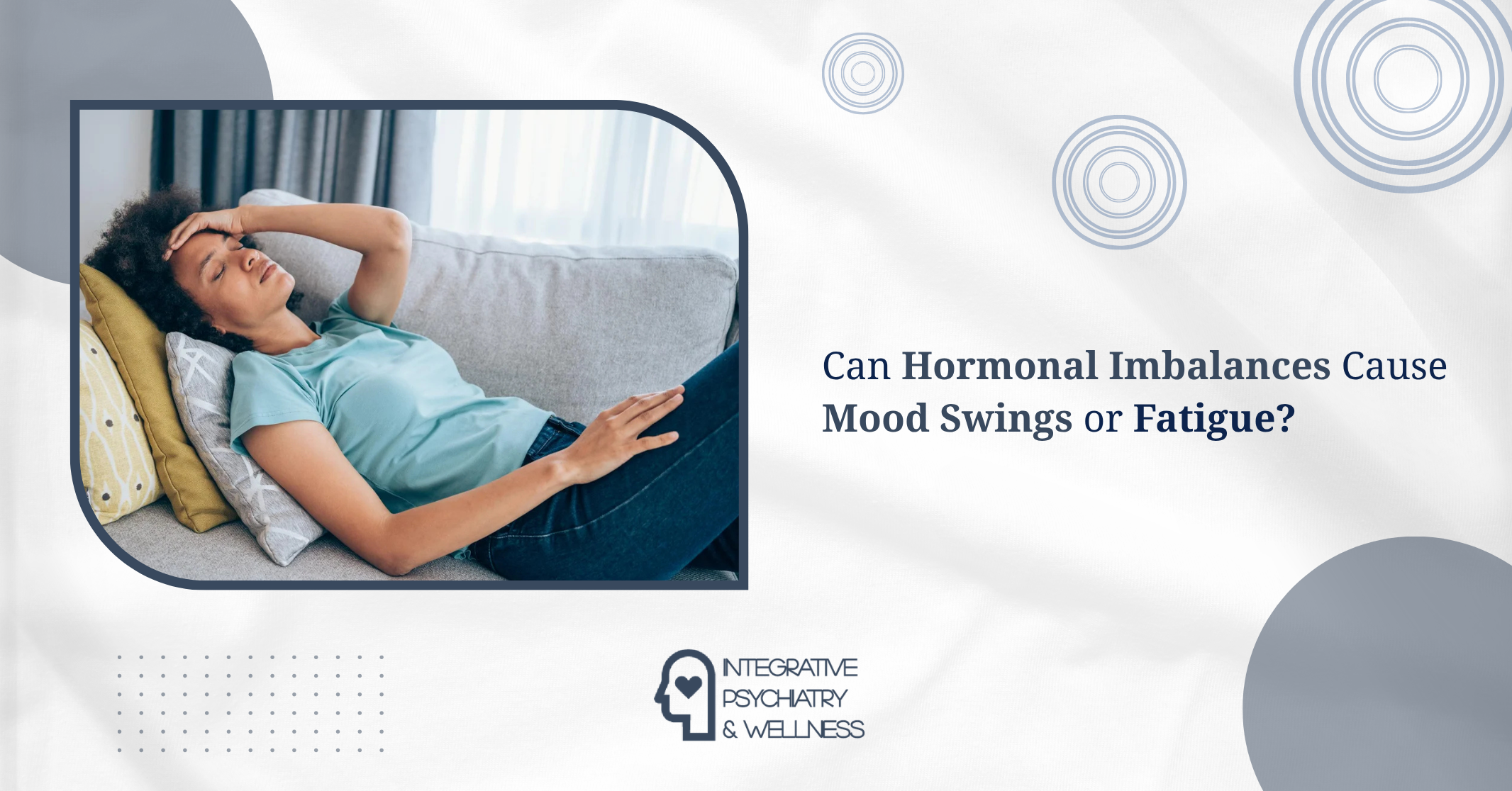
Yes, mood swings and fatigue may be the result of hormonal imbalances. Hormones aid our body to perform effectively. They communicate to the brain, the heart, the stomach and numerous other areas of the body. Once hormones are not balanced out, an individual can be tired, sad, cranky, worried or slow.
What Hormones Do in The Body
Hormones are small messengers. They help control:
- Sleep
- Energy
- Mood
- Hunger
- Weight
- Stress
- Focus
Hormones affect how we feel. When they don’t work well, we can feel unstable and notice daily mood changes.
Minor changes can impact emotions, which are also influenced by hormones.
How Hormonal Imbalances Can Affect Mood
Mood swings may occur when hormones become excessively low or excessively high. One might feel okay in the morning and angry in the afternoon. One may easily cry, get annoyed, or feel worried without a clear reason.
Common symptoms of hormonal mood swings include:
- Feeling sad
- Feeling angry
- Feeling nervous
- Feeling very sensitive
- Feeling moody
- One minute feeling calm and the next feeling upset
Hormonal changes with estrogen and progesterone affect the brain. They change how the brain handles stress.
How Hormonal Imbalances Can Cause Fatigue
Fatigue is more than feeling a little sleepy. It can feel like the body has no energy. A person may wake up tired. They may feel weak during the day. Even simple tasks may feel hard.
Hormonal fatigue can look like this:
- Low energy after waking up
- Trouble getting through the day
- Feeling heavy or slow
- Needing more naps
- Feeling worn out without much work
- Trouble staying focused because of tiredness
This kind of tiredness can happen even when someone sleeps enough. That is because the body may not be using energy the right way.
Other Signs to Watch For
Mood swings and fatigue are common signs, but they are not the only ones. Hormonal imbalance may also bring other body changes.
Some signs include:
- Weight changes
- Trouble sleeping
- Hair thinning
- Dry skin
- Hot flashes
- Heavy periods
- Low sex drive
- Brain fog
- Headaches
- Changes in appetite
When more than one sign shows up together, it may be helpful to look at hormones as part of the picture.
Why It Is Easy to Miss
Hormonal problems can look like regular stress. A person may think they are just tired from work, school, or family life. Many people also blame themselves. They may say, “I should just try harder.”
But hormone problems are not a personal failure.
They are health issues and they deserve care. Finding the cause can help a person feel better and more in control.
Common Reasons Hormones May Fall Out of Balance
Hormones can change for many reasons. Some common causes include:
- Stress
- Poor sleep
- Thyroid problems
- Menopause or perimenopause
- Pregnancy or after childbirth
- Blood sugar problems
- Weight changes
- Some medicines
- Long-term health problems
Even daily habits can play a role. Skipping meals, not resting enough, or living under constant stress can all affect the body.
What We Look at In Care
At Integrative Psychiatry and Wellness, we look at the whole person. We do not just ask about mood. We also ask about sleep, energy, weight, stress and daily habits.
Our services include:
- Psychiatric Evaluations
- Medication Management
- Integrative Psychiatry
- Annual Wellness Visits
- Weight Management & Metabolic Health
- Hormone & Mental Health Treatment
This lets us see the full picture and find care that fits the person, not just the symptom.
How Support Can Help
The right care can make a big difference. When hormone issues are found early, many people start to feel more like themselves again. Support may include mental health care, lifestyle changes, medicine, or both.
Some helpful steps may be:
- Eating regular meals
- Sleeping on a steady schedule
- Drinking enough water
- Moving the body each day
- Lowering stress when possible
- Getting checked by a health provider
These small steps can support both hormone health and mental health.
Why Mental Health Care Matters Too
Hormonal changes aren’t just about the body. They can also affect the heart and the mind. You may feel depressed, anxious, or physically drained. Hormones can change and make anxiety or depression worse.
That is why mental health care is important. It offers a safe place. Individuals can express their emotions and receive the support they require.
When To Reach Out
You may want to get help if:
- Mood swings happen often
- Tiredness does not go away
- Sleep is getting worse
- Daily life feels harder
- You feel unlike yourself
- More than one symptom keeps showing up
Getting support can help you understand what is going on and take the next right step.
Final Thoughts
Yes, hormonal imbalances can lead to mood swings and tiredness. These shifts may impact how you think, feel, and go about your day. The positive side is that there is assistance.
At Integrative Psychiatry and Wellness, we focus on the entire individual. We consider mental health, hormonal health, weight, stress, and wellness collectively. Through the proper support, the process of healing can start and life can become much lighter once again.
FAQs
Q. Can poor sleep be linked to hormones?
Yes. Hormones help control sleep. If they are off, sleep may not feel good.
Q. Do hormones affect both men and women?
Yes. Hormones affect everyone. Both men and women can feel mood and energy changes.



No comment